
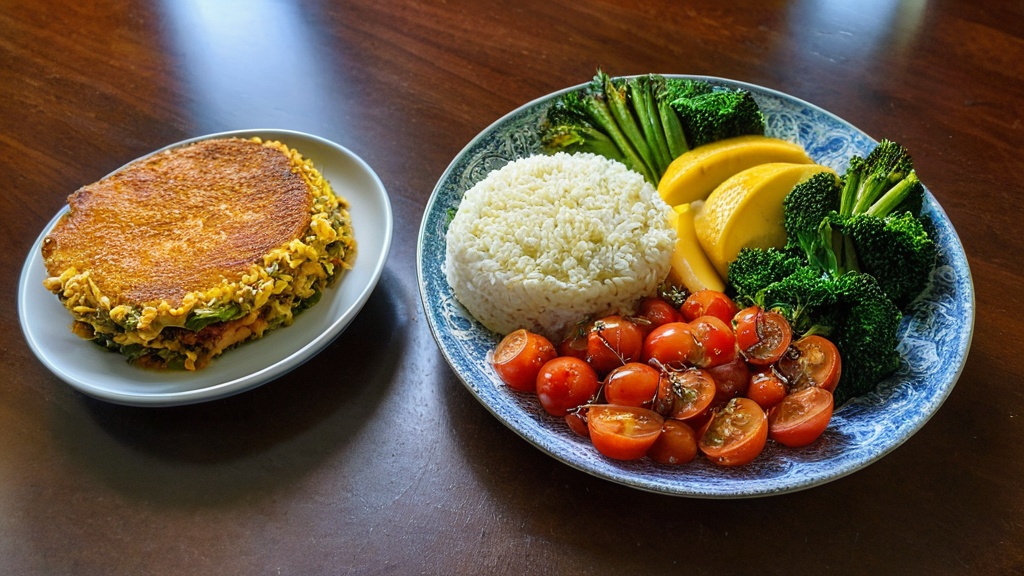

Strategic meal timing involves planning when to eat to optimize performance and recovery. It focuses on aligning meals with physical activity and metabolic needs. This approach can enhance energy levels, improve recovery, and support overall health.
Meal timing considers factors like workout schedules, individual metabolism, and nutritional goals. By understanding these elements, athletes and fitness enthusiasts can maximize their results. Proper timing can make a significant difference in how the body responds to training.
Key Takeaways
- Strategic meal timing can significantly influence athletic performance and recovery.
- Consuming meals at optimal times before and after workouts enhances energy levels and muscle repair.
- Endurance and strength training athletes require tailored meal timing strategies to meet their specific energy demands.
- Protein and carbohydrates play crucial roles in meal timing for muscle recovery and sustained energy.
- Incorporating fats appropriately supports overall nutrition without hindering performance or recovery.
The Impact of Meal Timing on Performance
Meal timing significantly influences athletic performance. Eating at the right times can enhance energy availability during workouts. It also aids in recovery, allowing athletes to perform better in subsequent sessions.
Research shows that consuming nutrients at strategic times can improve endurance and strength. Athletes who time their meals effectively often experience better focus and stamina. This advantage can lead to improved performance outcomes in various sports.
Pre-Workout Meal Timing Strategies

Pre-workout meals should focus on providing energy and nutrients. Eating 30 minutes to two hours before exercise is ideal for most individuals. This timing allows the body to digest food and convert it into usable energy.
Choosing the right foods is crucial for pre-workout meals. Carbohydrates provide quick energy, while proteins support muscle function. A balanced meal can enhance performance and reduce fatigue during workouts.
Post-Workout Meal Timing Strategies

Post-workout nutrition plays a vital role in recovery. Consuming a meal within 30 minutes to two hours after exercise helps replenish glycogen stores. This timing also supports muscle repair and growth.
A combination of carbohydrates and protein is essential for post-workout meals. Carbs help restore energy levels, while protein aids in muscle recovery. Together, they create an optimal environment for the body to heal and adapt.
Meal Timing for Endurance Athletes
| Meal Timing | Recommended Time | Impact on Metabolism | Effect on Sleep | Notes |
|---|---|---|---|---|
| Breakfast | 7:00 AM – 9:00 AM | Boosts metabolism and energy levels | Generally positive, helps regulate circadian rhythm | Important for kick-starting daily metabolism |
| Lunch | 12:00 PM – 2:00 PM | Maintains energy and prevents afternoon slump | Neutral to positive | Balanced meals recommended for sustained energy |
| Dinner | 6:00 PM – 8:00 PM | Should be lighter to avoid metabolic slowdown | Eating too late can disrupt sleep quality | Avoid heavy meals close to bedtime |
| Snacking | Mid-morning & Mid-afternoon | Can help maintain blood sugar levels | Minimal impact if timed properly | Choose healthy snacks to avoid excess calories |
| Late-night Eating | After 9:00 PM | May impair metabolism and promote weight gain | Often disrupts sleep and digestion | Generally discouraged for optimal health |
Endurance athletes require specific meal timing strategies to maintain performance. They should focus on consuming carbohydrates before long training sessions. This approach ensures they have enough energy to sustain prolonged efforts.
During endurance events, athletes may benefit from consuming small snacks or drinks. These quick sources of energy can help maintain performance levels. Post-event meals should prioritize recovery to prepare for future training sessions.
Meal Timing for Strength Training
Strength training requires a different approach to meal timing. Athletes should consume protein-rich meals before and after workouts. This strategy supports muscle growth and repair, essential for strength gains.
Timing meals around strength training sessions can enhance performance. Eating a balanced meal before lifting weights provides necessary energy. Following up with a post-workout meal helps maximize recovery and muscle adaptation.
Meal Timing for Weight Management
Meal timing can play a crucial role in weight management strategies. Eating at regular intervals helps regulate hunger and metabolism. This approach can prevent overeating and promote healthier food choices.
Individuals aiming for weight loss should focus on nutrient-dense foods at strategic times. Consuming meals that balance macronutrients can support satiety. Proper timing can help maintain energy levels while managing weight effectively.
The Role of Protein in Strategic Meal Timing
Protein plays a vital role in strategic meal timing for athletes and fitness enthusiasts. It supports muscle repair, growth, and overall recovery. Consuming protein at key times enhances the body’s ability to adapt to training.
Incorporating protein into pre- and post-workout meals is essential. This nutrient helps prevent muscle breakdown during exercise. It also promotes muscle synthesis after workouts, leading to better results over time.
The Importance of Carbohydrates in Strategic Meal Timing
Carbohydrates serve as the primary energy source for athletes. They are crucial for fueling workouts and maintaining performance levels. Strategic timing of carbohydrate intake can significantly impact energy availability.
Consuming carbohydrates before exercise ensures that glycogen stores are full. After workouts, replenishing these stores is equally important for recovery. Proper carbohydrate timing supports sustained energy levels during training sessions.
Incorporating Fats into Strategic Meal Timing
Fats also play a role in strategic meal timing, though they require careful consideration. While fats provide long-lasting energy, they digest more slowly than carbohydrates or proteins. Therefore, timing fat intake around workouts is essential.
Including healthy fats in meals can support overall health and hormone production. However, athletes should avoid high-fat meals immediately before exercise. Instead, focus on incorporating fats into meals consumed at other times of the day.
Meal Timing for Recovery and Replenishment
Recovery is a critical aspect of any training program, and meal timing plays a significant role in this process. Consuming the right nutrients at the right times helps the body recover efficiently after intense workouts. This approach ensures that athletes are ready for their next training session.
Replenishing glycogen stores and repairing muscle tissue should be priorities after exercise. A well-timed meal that includes carbohydrates and protein can facilitate this process. By focusing on recovery nutrition, athletes can enhance their performance over time and reduce the risk of injury.
FAQs
What is meal timing?
Meal timing refers to the schedule and frequency of eating meals throughout the day, including when and how often you consume food.
Does meal timing affect metabolism?
Yes, meal timing can influence metabolism. Eating at regular intervals may help maintain stable blood sugar levels and support metabolic processes.
Is it better to eat breakfast or skip it?
Eating breakfast can provide energy and improve concentration, but whether to eat or skip it depends on individual preferences and lifestyle. Some studies suggest breakfast supports metabolism, while others find no significant difference.
How does meal timing impact weight management?
Meal timing can affect weight management by influencing hunger, energy intake, and metabolic rate. Eating earlier in the day and avoiding late-night meals may support weight control.
Can meal timing improve athletic performance?
Yes, timing meals around workouts—such as consuming carbohydrates and protein before and after exercise—can enhance energy levels, recovery, and overall athletic performance.