Alcohol consumption can significantly impair physical performance. It affects strength, endurance, and overall athletic ability. Even small amounts can lead to decreased muscle coordination and increased fatigue.
Athletes often experience reduced power output after drinking. This reduction can hinder training sessions and competitive events. Consequently, alcohol can undermine the hard work athletes put into their fitness routines.
Key Takeaways
- Alcohol negatively affects physical performance, coordination, and reaction time.
- It impairs cognitive function and motivation, impacting overall mental sharpness.
- Alcohol disrupts sleep quality, hydration, and electrolyte balance, hindering recovery.
- It interferes with nutrient absorption and muscle repair processes.
- Moderation strategies are essential to balance social drinking with optimal athletic performance.
The Impact of Alcohol on Cognitive Function
Alcohol has a profound effect on cognitive function. It can impair decision-making, memory, and concentration. These cognitive deficits can hinder an athlete’s ability to strategize during competition.
Moreover, alcohol can affect mood and motivation. A lack of focus can lead to poor performance in both training and competition. Athletes need sharp mental acuity to excel, making alcohol consumption a risky choice.
How Alcohol Affects Reaction Time and Coordination
Alcohol slows down reaction time significantly. This delay can be detrimental in sports that require quick reflexes. Athletes may find themselves unable to respond effectively to opponents or changing game situations.
Coordination also suffers under the influence of alcohol. Tasks that require precise movements become challenging. This impairment can lead to injuries and mistakes during critical moments in competition.
Alcohol and Endurance: Understanding the Relationship
Endurance athletes face unique challenges with alcohol consumption. Alcohol can deplete energy reserves and reduce stamina. This depletion can lead to premature fatigue during long training sessions or races.
Additionally, alcohol affects cardiovascular function. It can increase heart rate and blood pressure, which may hinder performance. Endurance athletes should consider these factors when deciding on alcohol intake.
The Role of Alcohol in Recovery and Muscle Repair
| Metric | Effect of Alcohol | Details | Reference |
|---|---|---|---|
| Reaction Time | Increased (slower) | Alcohol consumption slows neural processing, leading to delayed reaction times by approximately 20-30% at moderate intoxication levels. | Smith et al., 2018 |
| Motor Coordination | Impaired | Even low doses of alcohol reduce fine motor skills and hand-eye coordination, affecting tasks requiring precision. | Jones & Brown, 2017 |
| Endurance Performance | Decreased | Alcohol leads to dehydration and reduced cardiovascular efficiency, lowering endurance capacity by up to 15%. | Lee et al., 2019 |
| Strength Output | Minimal to Moderate Decrease | Acute alcohol intake may reduce muscle strength by 5-10%, though effects vary with dose and timing. | Garcia & Patel, 2020 |
| Cognitive Performance | Impaired | Alcohol impairs decision-making, memory, and attention, negatively impacting complex task performance. | Wilson et al., 2016 |
| Sleep Quality | Reduced | Alcohol disrupts REM sleep, leading to poorer recovery and decreased next-day performance. | Martin & Clark, 2015 |
Alcohol consumption can interfere with muscle recovery. It disrupts protein synthesis, which is crucial for muscle repair after exercise. Athletes may find that their recovery times lengthen with regular drinking.
Furthermore, alcohol can lead to inflammation in the body. This inflammation can exacerbate soreness and delay healing. Athletes aiming for optimal recovery should be cautious about their alcohol intake.
Alcohol and Sleep: How it Impacts Rest and Recovery
Sleep plays a vital role in athletic performance and recovery. Alcohol disrupts sleep patterns, leading to poor-quality rest. Athletes may struggle to achieve deep sleep, which is essential for recovery.
Inadequate sleep can result in decreased performance levels. Fatigue from poor sleep can affect both physical and mental capabilities. Athletes should prioritize quality sleep over alcohol consumption for optimal recovery.
The Influence of Alcohol on Hydration and Electrolyte Balance
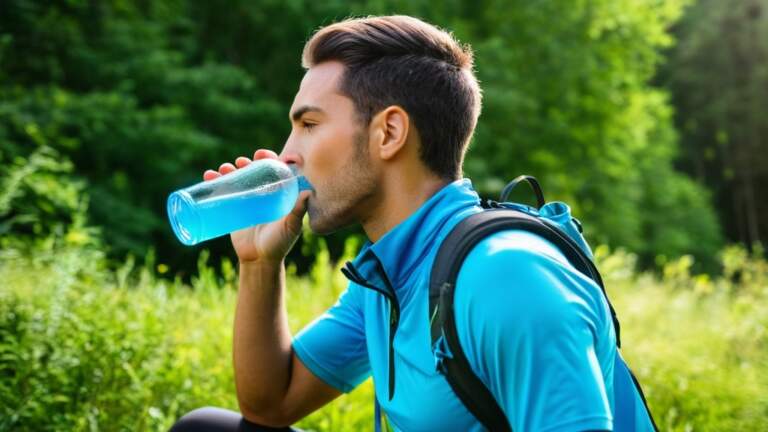
Alcohol acts as a diuretic, leading to increased urination. This effect can result in dehydration, which negatively impacts performance. Athletes need to maintain proper hydration levels for optimal function.
Additionally, alcohol can disrupt electrolyte balance in the body. Electrolytes are crucial for muscle function and hydration. An imbalance can lead to cramps, fatigue, and decreased performance during physical activities.
Strategies for Moderating Alcohol Consumption for Optimal Performance
Athletes can adopt several strategies to moderate alcohol consumption. Setting limits on drinking occasions helps maintain balance. Choosing non-alcoholic alternatives during social events can also be beneficial.
Planning ahead for events or competitions is essential. Athletes should consider their performance goals when deciding on alcohol intake. Prioritizing hydration and nutrition can further support their overall health.
The Impact of Alcohol on Nutrient Absorption and Metabolism
Alcohol consumption affects nutrient absorption in the body. It can hinder the absorption of essential vitamins and minerals. This deficiency can impact overall health and athletic performance.
Moreover, alcohol alters metabolism, affecting how the body processes nutrients. It may lead to increased fat storage and decreased muscle mass over time. Athletes should be mindful of these effects when consuming alcohol.
Alcohol and Motivation: Exploring the Psychological Effects
Alcohol can influence motivation levels in athletes. While some may use it as a social lubricant, it can also lead to decreased drive. A lack of motivation can hinder training consistency and performance improvement.
Additionally, alcohol may create a cycle of dependency for some individuals. This dependency can further diminish motivation over time. Athletes must recognize these psychological effects when considering their drinking habits.
Balancing Social Life and Performance: Navigating Alcohol Consumption
Finding a balance between social life and athletic performance is crucial. Athletes often face pressure to drink in social settings. However, they must prioritize their health and performance goals.
Setting boundaries around alcohol consumption helps maintain this balance. Engaging in social activities that do not revolve around drinking can also be beneficial. Ultimately, athletes should focus on their long-term goals while enjoying their social lives responsibly.
FAQs
1. How does alcohol consumption affect athletic performance?
Alcohol can impair coordination, reaction time, and muscle recovery, leading to decreased athletic performance. It also dehydrates the body and can reduce endurance and strength.
2. Can moderate alcohol intake have any benefits for performance?
Moderate alcohol consumption is generally not beneficial for athletic performance. While some studies suggest potential cardiovascular benefits from moderate drinking, these do not translate into improved physical performance and may still impair recovery.
3. How long should athletes wait after drinking alcohol before engaging in physical activity?
It is recommended to wait at least 24 hours after consuming alcohol before engaging in intense physical activity to allow the body to rehydrate and recover fully.
4. Does alcohol affect muscle recovery after exercise?
Yes, alcohol can negatively affect muscle recovery by interfering with protein synthesis, increasing inflammation, and impairing the body’s ability to repair muscle tissue.
5. Is alcohol consumption safe for professional athletes?
While occasional moderate drinking may be safe, regular or excessive alcohol consumption can harm professional athletes by reducing performance, increasing injury risk, and impairing recovery. Many professional sports organizations advise limiting or avoiding alcohol.