
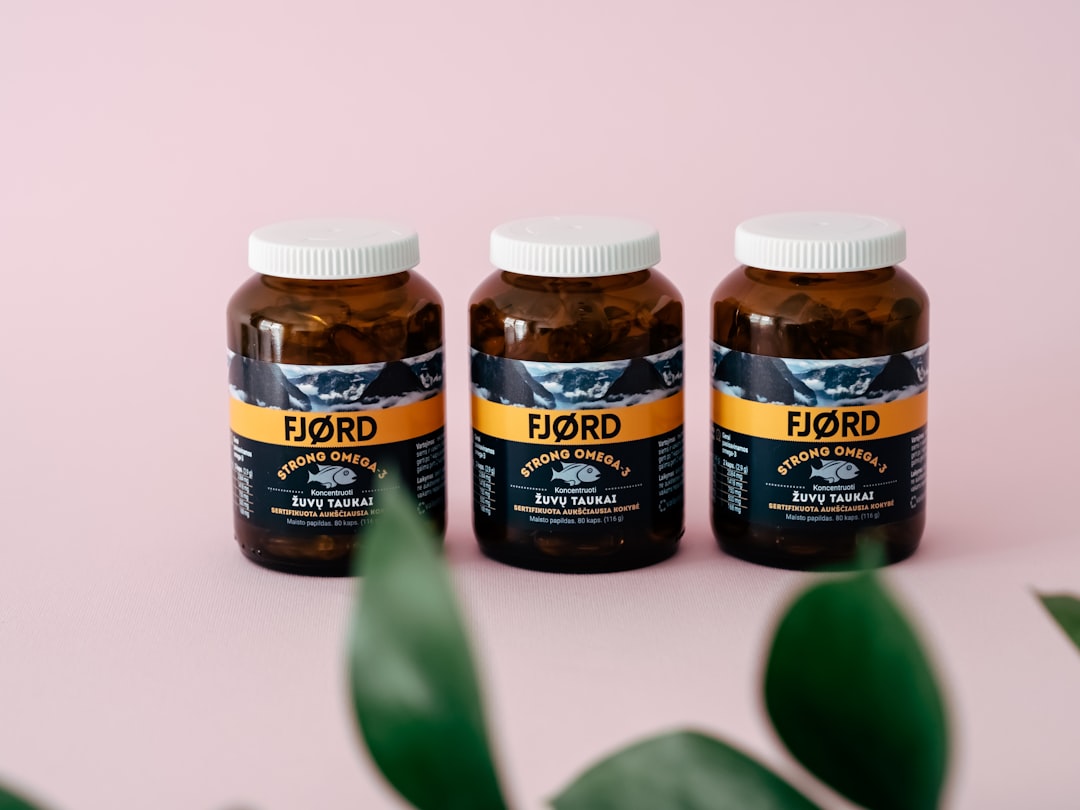

Your body is a complex machine. It needs the right fuel to run well. Can a simple multivitamin offer that boost? Let’s explore the science behind these daily supplements.
Even with a good diet, sometimes we miss nutrients. Multivitamins can help fill these gaps. This is especially true for certain groups of people.
Bridging Dietary Deficiencies
Many people do not eat enough fruits and vegetables. This can lead to low levels of key vitamins and minerals. Imagine someone always on the go. A multivitamin offers a convenient way to get essential nutrients. It acts like a safety net for your diet.
Supporting Restricted Diets
Some diets inherently lack certain nutrients. Strict vegetarian or vegan diets might lack B12. People with allergies might avoid important food groups. Multivitamins provide these missing pieces. They ensure vital bodily functions continue.
Age-Related Needs
As we age, nutrient absorption changes. Older adults might need more vitamin D or calcium. A daily multivitamin can offer this support. It helps maintain health as years pass.
Multivitamins and Immune Function
Your immune system protects you daily. It fights off germs and keeps you healthy. Certain vitamins play a big role in this defense.
Boosting Immune Response
Vitamins C, D, and zinc are immune system powerhouses. They help white blood cells function effectively. Think of them as training for your body’s defense team. A multivitamin ensures your team is ready.
Preparing for Colds and Flu
While multivitamins don’t cure illness, they can support your system. Adequate nutrient levels help your body respond better. This can mean quicker recovery from common infections. It helps your body bounce back faster.
Promoting Strong Bones

Bones are living tissue. They constantly remodel and need specific nutrients. Multivitamins often include these bone-supporting elements.
Calcium and Vitamin D Synergy
Calcium is vital for bone structure. Vitamin D helps your body absorb calcium. Without enough vitamin D, calcium cannot do its job. It’s like having building blocks without glue. A multivitamin provides both for strong bones.
Preventing Osteoporosis
Osteoporosis makes bones weak and brittle. It increases fracture risk. Adequate calcium and vitamin D intake is crucial. Multivitamins offer a reliable source for bone maintenance. This proactively protects bone health.
Brain Health and Cognitive Function
Our brains work tirelessly. They manage thoughts, memories, and actions. Some research suggests multivitamins might support this vital organ.
Improving Memory in Older Adults
Studies show multivitamins can enhance memory. This benefit is seen in older populations. It suggests a potential role in cognitive support. A sharper memory helps with daily tasks.
Supporting Overall Brain Function
While not a magic bullet, multivitamins deliver key nutrients to the brain. These nutrients aid in neurotransmitter production. They also protect brain cells from damage. This contributes to better overall brain performance.
Eye Health Maintenance
| Brand | Price | Number of Tablets | Key Nutrients |
|---|---|---|---|
| Centrum | 10.99 | 100 | Vitamin A, C, D, E, K, B6, B12, Folic Acid |
| Nature Made | 8.49 | 150 | Vitamin C, D, E, K, B6, B12, Biotin, Calcium |
| One A Day | 9.99 | 200 | Vitamin A, C, D, E, K, B6, B12, Thiamin, Riboflavin |
Healthy eyes are essential for daily life. They allow us to see the world around us. Specific micronutrients are key for vision protection.
Reducing AMD Progression
Age-related macular degeneration (AMD) can impair sight. Certain vitamin and mineral combinations slowed its progression. These include vitamins C, E, A, zinc, and copper. This important discovery offers hope.
Lowering Cataract Risk
Cataracts cloud the eye’s lens. Some studies show multivitamins may reduce this risk. This protection develops over years of use. It helps maintain clear vision longer.
Multivitamins During Pregnancy
Pregnancy is a time of immense growth and change. Nutrient needs increase significantly. Multivitamins become particularly important for mother and baby.
Folic Acid for Neural Tube Health
Folic acid is critical early in pregnancy. It prevents severe birth defects of the brain and spine. These are called neural tube defects. Many multivitamins contain adequate folic acid.
Supporting Healthy Birth Outcomes
Multivitamins during pregnancy may reduce risks. They are linked to lower rates of low birth weight. They also help prevent preterm births. This provides more support than iron and folic acid alone.
Important Considerations and Limitations
While multivitamins offer many benefits, they are not a cure-all. It’s important to understand their place in your health routine. They complement, not replace, a healthy lifestyle.
Not a Substitute for a Healthy Diet
Multivitamins should supplement your diet. They do not replace whole foods. Fruits, vegetables, and lean proteins offer much more. They provide fiber, antioxidants, and other beneficial compounds. Your diet remains your primary nutrient source.
Mixed Evidence on Major Disease Outcomes
Some large studies show mixed results. Multivitamins alone may not reduce overall cancer risk. They might not prevent cardiovascular disease or early mortality. Their impact on broad cognitive decline also shows no consistent benefit. Researchers continue to investigate these areas.
Personalized Needs
Not everyone needs a multivitamin. People with balanced diets might get enough. Consult a healthcare professional to identify your specific needs. They can offer personalized advice based on your health.
Quality and Dosage
Multivitamin quality varies greatly. Choose reputable brands. Look for third-party testing certifications. Stick to recommended dosages. More is not always better. Excessive intake of some vitamins can be harmful.
Potential Interactions
Multivitamins can interact with medications. For example, vitamin K affects blood thinners. Iron can interfere with antibiotics. Always discuss supplements with your doctor or pharmacist. They can check for potential issues.
Making Informed Choices
Deciding about multivitamins requires thought. Consider your lifestyle and dietary habits. Listen to your body and seek expert guidance.
Assess Your Diet
Are you eating a variety of whole foods? Do you consistently meet fruit and vegetable recommendations? An honest look at your diet helps. This assessment informs your decision.
Consult a Healthcare Professional
Talk to your doctor or a registered dietitian. They can evaluate your nutritional status. They might recommend specific lab tests. Their advice is tailored to you.
Understand the Benefits and Limitations
Be realistic about what multivitamins can do. They support health and fill gaps. They are not a magic pill for all ailments. This balanced perspective is key.
Lifestyle Factors Remain Paramount
Exercise, sleep, and stress management are vital. These pillars of health are non-negotiable. Multivitamins enhance a healthy lifestyle. They do not replace it.
In conclusion, multivitamins can play a supportive role in your health journey. They help fill nutritional gaps and support specific bodily functions. Remember to prioritize a balanced diet and consult with healthcare professionals. This approach ensures you make the best choices for your well-being.