
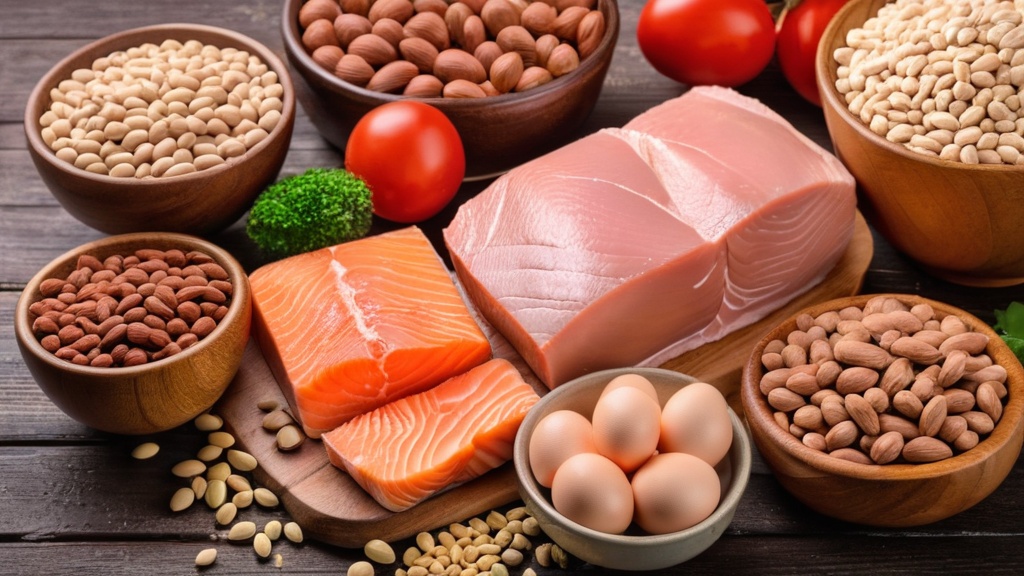

Protein absorption is a fundamental physiological process essential for maintaining optimal health and physical performance. This complex mechanism involves the enzymatic breakdown of dietary proteins into their constituent amino acids within the digestive tract, followed by their transport across the intestinal epithelium and into the bloodstream. These amino acids subsequently serve as building blocks for tissue repair, enzyme production, immune function, and numerous other vital physiological processes.
Multiple variables affect protein absorption efficiency. Physical activity status significantly impacts protein utilization, with resistance-trained individuals often demonstrating enhanced anabolic sensitivity. Age-related factors also influence protein metabolism, as older adults typically experience anabolic resistance, necessitating higher protein intake to stimulate muscle protein synthesis comparable to younger individuals.
Additionally, dietary composition—including the presence of fiber, fats, and micronutrients—can modulate gastric emptying rates and protein digestion kinetics. Comparative analysis of protein absorption patterns across varying fitness levels reveals important physiological adaptations. Athletes and physically active individuals generally exhibit improved nutrient partitioning and protein utilization compared to sedentary counterparts.
This understanding provides valuable insights for developing targeted nutritional strategies to enhance recovery, adaptation, and performance outcomes across diverse populations.
Key Takeaways
- Protein absorption varies based on activity level, with athletes generally requiring more protein for optimal muscle growth and recovery.
- Sedentary individuals absorb protein differently compared to beginner, intermediate, and advanced athletes, reflecting their varying metabolic demands.
- Timing of protein intake plays a crucial role in maximizing absorption and enhancing muscle recovery and growth.
- Several factors, including digestion efficiency and exercise intensity, influence how effectively protein is absorbed.
- Endurance athletes have unique protein absorption needs that support sustained energy and muscle repair during prolonged activity.
Protein Absorption in Sedentary Individuals
Sedentary individuals typically have lower protein needs compared to active people. Their bodies require protein mainly for maintenance and repair of tissues. However, even those who do not exercise should consume adequate protein to support overall health.
For sedentary individuals, the body absorbs protein efficiently when consumed in balanced meals. A diet rich in whole foods, including lean meats, dairy, legumes, and nuts, can provide essential amino acids. This balanced approach ensures that even without intense physical activity, the body receives the nutrients it needs.
Protein Absorption in Beginner Athletes
Beginner athletes often experience increased protein needs due to their new training routines. As they engage in physical activity, their muscles require more amino acids for repair and growth. This heightened demand makes understanding protein absorption even more critical.
For these athletes, consuming protein shortly after workouts can enhance recovery. The body absorbs protein more effectively during this window, helping to rebuild muscle tissue. Incorporating a variety of protein sources can also ensure they receive all essential amino acids for optimal performance.
Protein Absorption in Intermediate Athletes
Intermediate athletes typically train more intensely and frequently than beginners. Their bodies undergo greater stress, leading to increased protein requirements. As a result, understanding how to optimize protein absorption becomes essential for their progress.
These athletes should focus on both the quantity and quality of protein intake. Consuming high-quality proteins, such as whey or casein, can enhance absorption rates. Additionally, spreading protein intake throughout the day can help maintain a positive nitrogen balance, supporting muscle recovery and growth.
Protein Absorption in Advanced Athletes
| Training Status | Protein Absorption Rate | Muscle Protein Synthesis (MPS) Response | Recommended Protein Intake (g/kg/day) | Notes |
|---|---|---|---|---|
| Sedentary | Moderate | Lower MPS response | 0.8 – 1.0 | Baseline protein needs; less efficient utilization |
| Recreationally Active | Increased | Moderate MPS response | 1.0 – 1.2 | Improved absorption and utilization with activity |
| Endurance Trained | Increased | Moderate to high MPS response | 1.2 – 1.4 | Higher protein turnover due to endurance demands |
| Resistance Trained | Highest | High MPS response | 1.6 – 2.0 | Enhanced absorption and muscle repair needs |
| Elite Athletes | Highest | Maximized MPS response | 1.8 – 2.2 | Optimized protein intake for performance and recovery |
Advanced athletes often push their bodies to the limit, resulting in even higher protein needs. Their training regimens demand significant muscle repair and growth, making efficient protein absorption vital. These athletes must pay close attention to their dietary choices.
For advanced athletes, timing and type of protein matter greatly. Consuming fast-digesting proteins immediately post-workout can maximize recovery benefits. Additionally, incorporating slow-digesting proteins before bed can support overnight muscle repair and growth.
Factors Affecting Protein Absorption
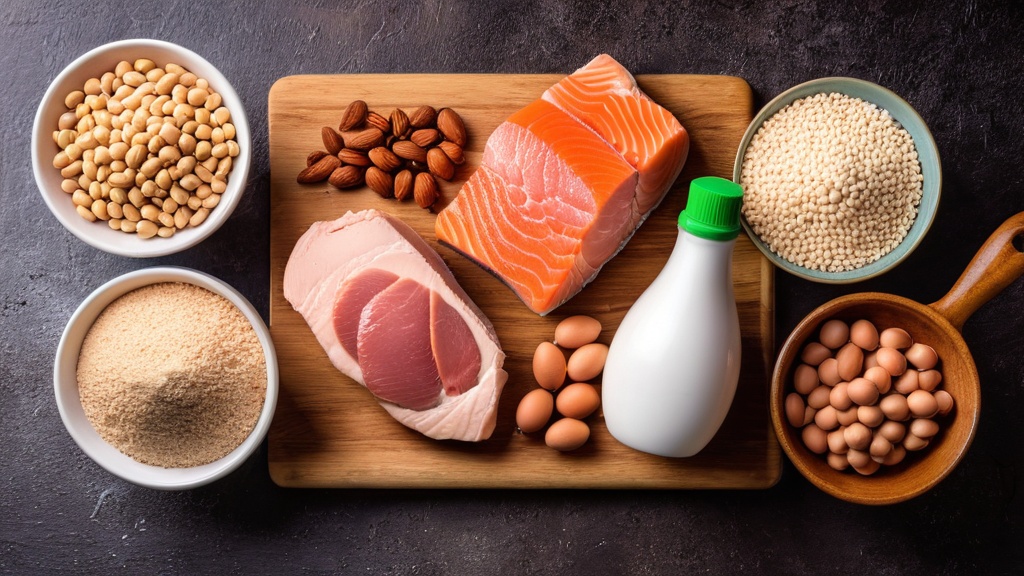
Several factors influence how well the body absorbs protein. Age, gender, and overall health status can all play a role in absorption efficiency. For instance, older adults may experience decreased absorption rates due to changes in digestive function.
Dietary composition also affects protein absorption. Consuming protein alongside carbohydrates and fats can enhance its uptake. Furthermore, hydration levels and gut health significantly impact how effectively the body processes protein.
The Role of Timing in Protein Absorption
Timing plays a crucial role in optimizing protein absorption. Consuming protein at strategic times can enhance muscle recovery and growth. The post-workout window is particularly important for athletes looking to maximize their gains.
Research suggests that consuming protein within 30 minutes after exercise can significantly improve recovery outcomes. This timing allows the body to utilize amino acids when it needs them most. Additionally, regular protein intake throughout the day supports sustained muscle repair and growth.
Protein Absorption in Relation to Muscle Recovery
Muscle recovery relies heavily on effective protein absorption. After intense workouts, muscles experience micro-tears that require repair through amino acids. Adequate protein intake ensures that the body has the necessary building blocks for this process.
Incorporating protein-rich foods into post-workout meals can enhance recovery rates. Foods like chicken, fish, eggs, or plant-based options provide essential amino acids for muscle repair. This focus on recovery helps athletes bounce back faster and perform better in subsequent workouts.
Protein Absorption in Relation to Muscle Growth
Muscle growth hinges on a positive balance between protein synthesis and breakdown. Effective protein absorption supports this balance by providing the necessary amino acids for synthesis. Athletes aiming for muscle hypertrophy must prioritize their protein intake.
Consuming sufficient protein throughout the day helps maintain elevated amino acid levels in the bloodstream. This approach promotes continuous muscle synthesis and minimizes breakdown. By focusing on both quality and quantity of protein, athletes can optimize their muscle growth potential.
Protein Absorption in Endurance Athletes
Endurance athletes face unique challenges regarding protein absorption. While their primary focus is often on carbohydrates for energy, adequate protein intake remains essential for recovery and muscle maintenance. These athletes must strike a balance between fueling their endurance activities and supporting muscle health.
Incorporating moderate amounts of protein into their diets can help endurance athletes recover effectively after long training sessions. Consuming protein-rich snacks during or after endurance events can also aid in muscle repair. This strategy ensures that they maintain muscle mass while optimizing performance.
Conclusion and Recommendations for Optimizing Protein Absorption
Optimizing protein absorption is vital for individuals at all fitness levels. Understanding personal needs based on activity level can guide dietary choices effectively. By focusing on timing, quality, and quantity of protein intake, individuals can enhance their performance and recovery.
Incorporating a variety of high-quality protein sources into daily meals is essential. Additionally, paying attention to hydration and gut health can further improve absorption rates. With these strategies in place, anyone can maximize the benefits of their dietary protein for better health and fitness outcomes.
FAQs
What is protein absorption?
Protein absorption refers to the process by which the body breaks down dietary protein into amino acids and absorbs them through the small intestine into the bloodstream for use in various bodily functions, including muscle repair and growth.
How does training status affect protein absorption?
Training status can influence protein absorption by altering the body’s efficiency in digesting and utilizing protein. Regular exercise, especially resistance training, can enhance the body’s ability to absorb and use protein to support muscle repair and growth.
Does exercise increase the need for protein?
Yes, individuals who engage in regular physical training, particularly strength training, generally have higher protein requirements to support muscle recovery and adaptation compared to sedentary individuals.
Is protein absorption faster in trained individuals?
Trained individuals may experience more efficient protein utilization due to adaptations in muscle metabolism, but the rate of protein digestion and absorption in the gut is generally similar regardless of training status.
Can training improve muscle protein synthesis?
Yes, regular training, especially resistance exercise, enhances muscle protein synthesis, which is the process of building new muscle proteins, and this process is supported by adequate protein intake.
Does the type of protein consumed affect absorption?
Yes, different protein sources vary in their digestion rates and amino acid profiles. For example, whey protein is rapidly absorbed, while casein is digested more slowly. The choice of protein can influence how quickly amino acids become available to muscles.
Should protein intake be adjusted based on training status?
Yes, athletes and individuals who train regularly often require higher protein intakes compared to sedentary individuals to support muscle repair, growth, and recovery.
Are there any factors besides training status that affect protein absorption?
Yes, factors such as age, digestive health, protein source, meal composition, and overall diet quality can also influence protein digestion and absorption efficiency.
Can protein supplements improve absorption in trained individuals?
Protein supplements can provide a convenient and efficient source of high-quality protein, which may help trained individuals meet their increased protein needs, but they do not necessarily change the fundamental absorption process.
Is timing of protein intake important for trained individuals?
Yes, consuming protein shortly after exercise can optimize muscle protein synthesis and recovery, making timing an important consideration for those with regular training routines.