

Hydration plays a crucial role in maintaining overall health. Water supports vital bodily functions, including digestion, circulation, and temperature regulation. Staying properly hydrated enhances physical performance and mental clarity.
Dehydration can lead to fatigue, headaches, and decreased concentration. It can also impair physical performance and increase the risk of heat-related illnesses. Therefore, understanding hydration is essential for everyone.
Key Takeaways
- Hydration needs differ individually; the “8 glasses a day” rule is a myth.
- Thirst is not always a reliable sign of dehydration.
- Fruits and vegetables play a significant role in maintaining hydration.
- Overhydration can be harmful and should be avoided.
- Monitoring urine color is a practical way to assess hydration status.
Myth: You Need to Drink 8 Glasses of Water a Day
Many people believe they must drink eight glasses of water daily. This myth oversimplifies hydration needs and ignores individual differences. While eight glasses may work for some, it doesn’t apply universally.
Factors like age, activity level, and climate influence hydration requirements. Some individuals may need more or less water than the standard recommendation. It’s essential to listen to your body and adjust your intake accordingly.
Fact: Hydration Needs Vary from Person to Person

Hydration needs differ significantly among individuals. Factors such as body size, activity level, and environmental conditions play a role. For instance, athletes often require more fluids than sedentary individuals.
Additionally, people living in hot climates may need to drink more water. Understanding your unique hydration needs helps maintain optimal health. Personalizing your water intake can lead to better overall well-being.
Myth: Thirst is a Reliable Indicator of Dehydration
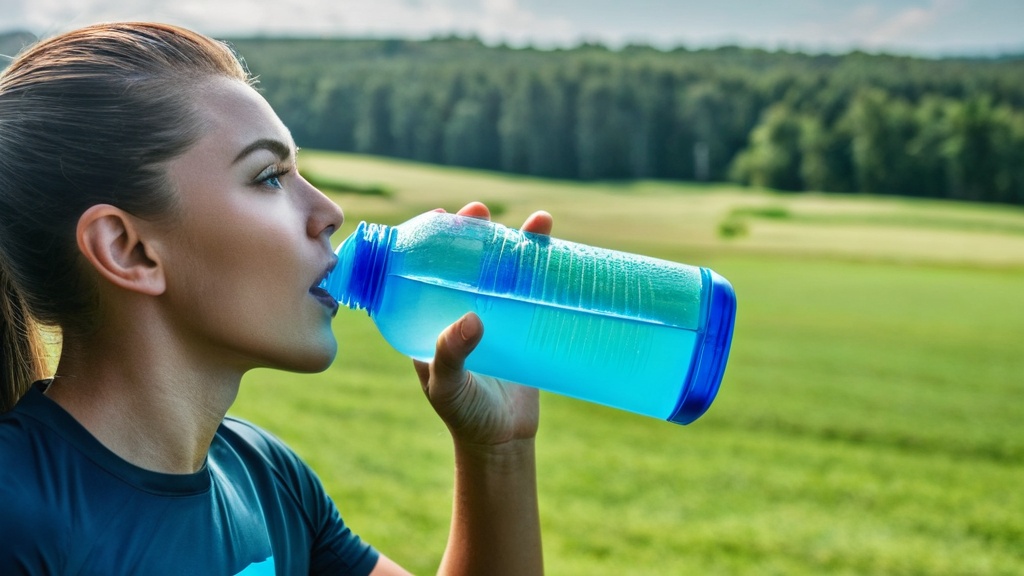
Many assume that thirst accurately signals dehydration. However, this belief can be misleading. By the time you feel thirsty, your body may already be dehydrated.
Thirst is not always a reliable indicator of hydration status. Some people may not feel thirsty even when they need fluids. Regularly drinking water throughout the day is a better approach to staying hydrated.
Fact: Dehydration Can Affect Cognitive Function
| Myth | Claim | Fact | Impact on Hydration |
|---|---|---|---|
| Drink 8 glasses of water daily | Everyone needs exactly 8 glasses (about 2 liters) of water per day | Water needs vary by individual based on activity, climate, and diet | May lead to overhydration or underhydration if blindly followed |
| Thirst is a late sign of dehydration | By the time you feel thirsty, you are already dehydrated | Thirst is an early and reliable indicator of hydration needs | Ignoring thirst can increase risk of dehydration |
| Only water hydrates | Only plain water can hydrate the body effectively | Other fluids like tea, coffee, and juice also contribute to hydration | Restricting fluids unnecessarily may reduce overall hydration |
| Drinking lots of water flushes toxins | Excess water intake helps detoxify the body quickly | The kidneys regulate toxin removal; excess water does not speed this up | Overhydration can strain kidneys and cause electrolyte imbalance |
| Clear urine means perfect hydration | Clear urine indicates optimal hydration status | Very clear urine can indicate overhydration; pale yellow is ideal | Misinterpreting urine color can lead to improper hydration habits |
Dehydration can significantly impact cognitive function. Even mild dehydration can lead to difficulties in concentration and memory. Studies show that dehydration affects mood and increases feelings of fatigue.
Staying hydrated supports mental clarity and focus. Proper hydration enhances cognitive performance, especially during tasks requiring attention. Prioritizing hydration can improve both physical and mental capabilities.
Myth: Caffeinated Beverages Dehydrate You
Many believe that caffeinated drinks lead to dehydration. This myth stems from the diuretic effect of caffeine. However, research shows that moderate caffeine consumption does not significantly impact hydration levels.
Caffeinated beverages can contribute to your daily fluid intake. While excessive caffeine may have diuretic effects, moderate amounts are generally safe. Enjoying coffee or tea in moderation can still keep you hydrated.
Fact: Fruits and Vegetables Contribute to Hydration
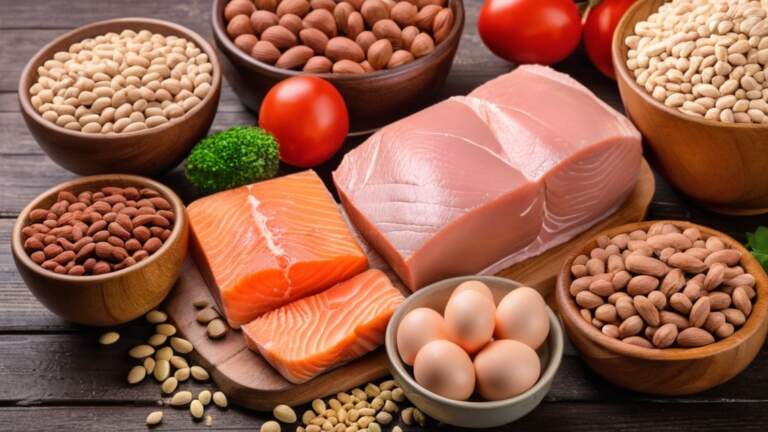
Fruits and vegetables play a vital role in hydration. Many contain high water content, making them excellent sources of fluids. Foods like cucumbers, watermelon, and oranges can help meet hydration needs.
Incorporating these foods into your diet boosts hydration levels. They provide essential vitamins and minerals while keeping you hydrated. A balanced diet rich in fruits and vegetables supports overall health.
Myth: You Only Need to Hydrate During Exercise
Some people think hydration is only necessary during exercise. This myth overlooks the importance of daily hydration for overall health. Your body loses fluids throughout the day, even when at rest.
Staying hydrated outside of exercise is crucial for bodily functions. Regular fluid intake helps maintain energy levels and supports digestion. Make hydration a daily habit, not just a workout necessity.
Fact: Overhydration Can Be Dangerous
While staying hydrated is essential, overhydration can pose risks. Drinking excessive amounts of water can lead to a condition called hyponatremia. This occurs when sodium levels in the blood become dangerously low.
Symptoms of overhydration include nausea, headache, and confusion. In severe cases, it can lead to seizures or coma. Balance is key; drink enough water without overdoing it.
Myth: Electrolyte Drinks are Always Necessary for Rehydration
Many believe that electrolyte drinks are essential for rehydration after exercise. While these drinks can be beneficial in certain situations, they aren’t always necessary. Most people can rehydrate effectively with plain water.
Electrolyte drinks are helpful during intense workouts or prolonged activities. However, for everyday hydration needs, water suffices for most individuals. Assess your activity level to determine if electrolyte drinks are necessary.
Fact: Monitoring Urine Color Can Help Assess Hydration Levels
One practical way to gauge hydration is by monitoring urine color. Light yellow urine typically indicates proper hydration levels. Darker urine may signal dehydration and the need for increased fluid intake.
This simple method provides a quick assessment of your hydration status. Regularly checking urine color helps you stay on track with your fluid intake. Use this tool alongside other hydration strategies for optimal health.
In conclusion, understanding hydration is vital for maintaining health and well-being. By debunking myths and recognizing facts about hydration, you can make informed choices about your fluid intake. Prioritize hydration daily to support both physical and cognitive functions effectively.
FAQs
1. Is it true that you need to drink 8 glasses of water a day?
The “8 glasses a day” rule is a general guideline, but individual hydration needs vary based on factors like age, activity level, climate, and health. It’s important to listen to your body’s thirst signals and drink accordingly.
2. Does drinking more water always improve skin health?
While staying hydrated is important for overall health, drinking excessive amounts of water does not necessarily improve skin condition. Skin health depends on multiple factors including diet, genetics, and skincare routines.
3. Can you only stay hydrated by drinking water?
No, hydration can come from various sources including other beverages like tea and juice, as well as water-rich foods such as fruits and vegetables.
4. Is thirst the only indicator that you need to drink water?
Thirst is a primary indicator of hydration needs, but it may not always be reliable, especially in older adults. Monitoring urine color and frequency can also help assess hydration status.
5. Does drinking water help with weight loss?
Drinking water can support weight loss by promoting satiety and replacing high-calorie beverages, but it is not a standalone solution. Effective weight management requires a balanced diet and regular physical activity.