

Feeling sluggish? Battling cramps? You might be overlooking a tiny, mighty group of minerals vital for keeping your body running smoothly. These are electrolytes, your personal hydration heroes. They work behind the scenes, ensuring every cell in your body gets the water it needs to thrive. Let’s dive into why these unsung heroes matter so much.
Electrolytes are minerals with an electric charge. Think of them as tiny, charged workers. They dissolve in your body’s fluids. This includes blood, urine, and sweat. These charged particles help carry electrical signals. These signals are crucial for many body functions.
What Makes Them “Electrolytes”?
The electrical charge is key. It allows them to conduct electricity. This electrical activity is vital. It powers nerve impulses. It also drives muscle contractions. Without this charge, these processes falter.
Where Do We Get Electrolytes?
You get electrolytes from your food and drinks. They are naturally present in many sources. Fruits, vegetables, and dairy provide them. Even plain water can contain some. But sometimes, you need more.
Electrolytes: Your Body’s Water Regulators
Electrolytes are like the gatekeepers for water. They help your body hold onto the right amount of fluid. Sodium is a prime example. It attracts water. This helps keep your cells hydrated. Potassium also plays a role. It manages fluid inside your cells.
Sodium’s Hydration Power
Sodium is crucial for water balance. Your body prefers a certain sodium level. When you lose sodium, your body signals thirst. This encourages you to drink. Sodium also helps your body absorb water. This prevents it from just passing through.
Potassium’s Cellular Work
Potassium works inside your cells. It helps bring water in. It also helps remove waste. This keeps your cells functioning properly. Proper potassium levels support nerve and muscle health. Your heartbeat relies on it.
Why Electrolytes Matter for Hydration
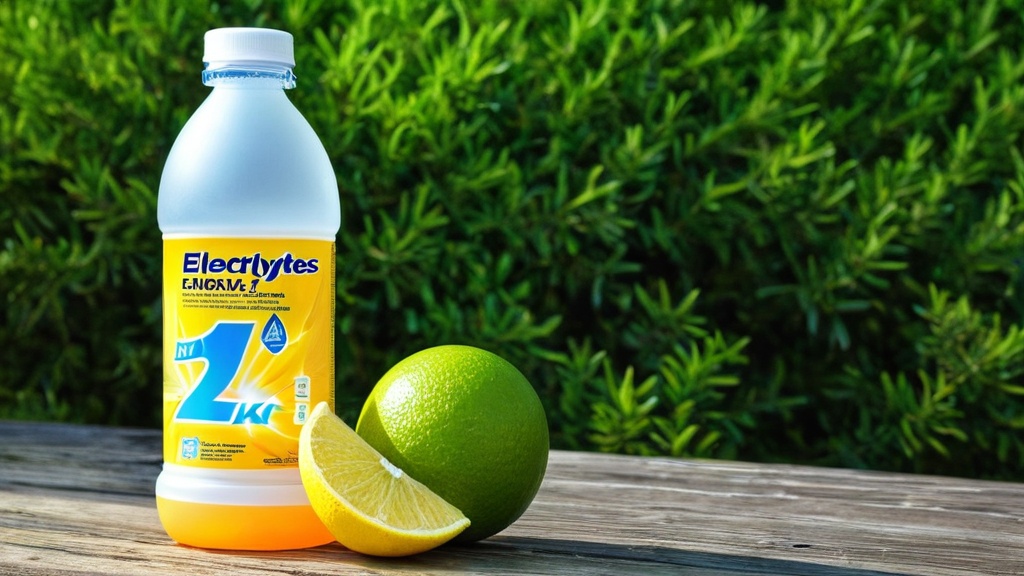
Water alone is good. But electrolytes make hydration better. They help your body retain fluids. This is especially true after you sweat a lot. Losing fluids means losing electrolytes. Replenishing them helps restore balance.
Beyond Plain Water
Imagine a sponge. Plain water is like water poured on a dry sponge. Some gets absorbed. Much of it runs off. Electrolytes are like wetting the sponge first. The water then absorbs more readily. Electrolyte drinks help your body hold onto fluids.
Sweat Loss and Replenishment
When you sweat, you lose water and electrolytes. This is normal during exercise or heat. If you only drink plain water, you might not fully rehydrate. Your body might excrete the extra fluid. Adding electrolytes helps you keep that fluid.
Key Electrolytes and Their Functions
Several electrolytes are essential. Sodium and potassium are well-known. Magnesium is also very important. Chloride helps maintain balance. Each mineral has unique tasks. Together, they ensure optimal hydration.
Sodium’s Multifaceted Role
Sodium’s main job is fluid balance. It controls water outside your cells. It also helps transmit nerve signals. Muscle contractions depend on it. It also supports various cell functions. Maintaining its levels is vital.
Potassium’s Heart and Muscle Connection
Potassium is critical for your heart. It helps regulate your heartbeat. It also manages muscle contractions. This includes smooth muscles, like those in your gut. It helps keep fluid inside cells.
Magnesium: The Fatigue Fighter
Magnesium reduces fatigue. It supports your nervous system. It plays a role in hundreds of bodily processes. Muscle and nerve function require it. Energy production also relies on magnesium.
Chloride: The Balance Keeper
Chloride works with sodium. It helps maintain electrolyte balance. It is a key component of stomach acid. This aids digestion. It also helps transport fluids.
Daily Hydration and Electrolyte Needs
| Electrolyte | Normal Range | Function |
|---|---|---|
| Sodium (Na+) | 135-145 mmol/L | Regulates water balance, nerve function, and muscle contraction |
| Potassium (K+) | 3.5-5.0 mmol/L | Regulates heart rhythm, muscle function, and nerve signals |
| Chloride (Cl-) | 98-106 mmol/L | Helps maintain proper blood volume and blood pressure |
| Bicarbonate (HCO3-) | 22-29 mmol/L | Regulates blood pH and acid-base balance |
You need electrolytes every day. They are not just for athletes. Hotter weather increases losses. Active lifestyles demand more. Even mild illness can deplete them.
Everyday Hydration
For most people, daily needs are met by food and water. However, during heatwaves, you lose more. If you are very active, you also lose more. Your body also loses electrolytes when sick. Vomiting or diarrhea causes significant loss.
Active Lifestyles and Performance
Athletes understand electrolyte needs. They often use sports drinks. These drinks replenish what is lost in sweat. This helps maintain performance. It also aids in muscle recovery. Avoiding cramps is a major benefit.
Beyond Sports Drinks
Consumer trends are shifting. People want cleaner options. They seek low-sugar electrolyte drinks. These are for daily use, not just sports. They support overall well-being. They can boost energy levels.
Actionable Tips for Electrolyte Balance
Stay hydrated throughout the day. Drink water when you feel thirsty. Include electrolyte-rich foods in your diet. Consider electrolyte supplements if needed. Consult a healthcare provider for concerns.
Listening to Your Body
Thirst is your body’s signal. Respond to it by drinking. Don’t wait until you are very thirsty. Sip fluids regularly. Listen to your body’s signals for fatigue.
Food as a Source
Eat a balanced diet. Include fruits and vegetables. Bananas are rich in potassium. Leafy greens provide magnesium. Dairy products offer calcium and other minerals. Whole grains also contribute.
When to Consider Supplements
If you sweat heavily daily, consider options. If you live in a very hot climate, it’s wise. For intense exercise, electrolytes help. For milder activity, food might suffice. Always choose reputable brands. Look for minimal added sugar.
Staying Safe
Always follow product instructions. Do not overconsume supplements. Excessive intake can cause harm. If you have health conditions, ask your doctor. They can advise on personal needs. They know your health history best.
Electrolytes are not a magic bullet. But they are essential partners in hydration. They help your body absorb water. They keep your systems running smoothly. Embracing them means embracing better health. They are nature’s tiny powerhouses. Use their power wisely.