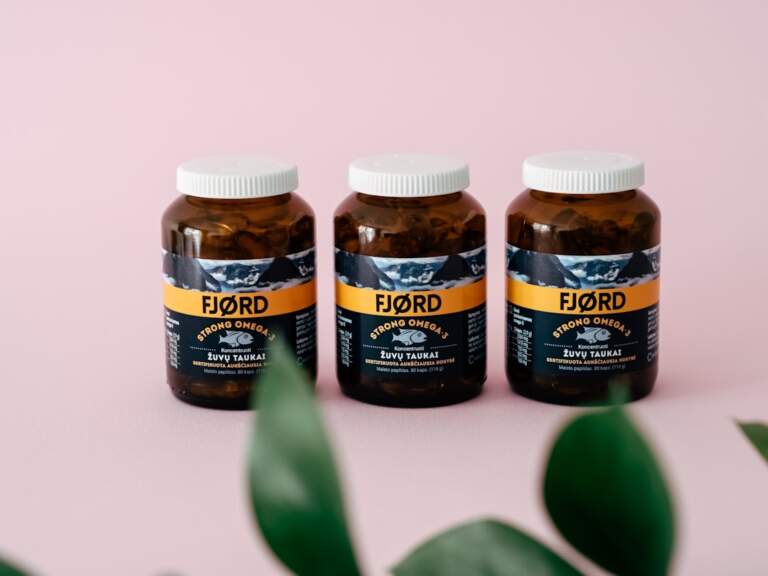

Feeling overwhelmed by the supplement aisle? You are not alone. Knowing what to trust can feel impossible. This guide will help you navigate choices.
Supplements offer nutrients. They come in many forms, like vitamins or herbs. They are not food or medicine. The law defines them differently.
What are Dietary Supplements?
Dietary supplements add to your diet. They contain vitamins, minerals, herbs, or amino acids. You take them by mouth. They come as pills, powders, or liquids.
How Does the FDA Regulate Supplements?
The FDA regulates supplements. However, it is not like drug regulation. Manufacturers do not need FDA approval before selling. They must ensure safety.
The FDA issues warnings. They investigate adverse events. They take action when products are unsafe.
Navigating Label Claims and Disclaimers
Supplement labels provide information. Understanding them is important. Do not just look at marketing. Check the facts presented.
Deciphering Health Claims
Supplements often make claims. These might be about health benefits. For example, “supports immune health.” These claims need evidence.
The FDA does not pre-approve these claims. Manufacturers are responsible for accuracy. Look for scientific backing.
Understanding the DSHEA Disclaimer
A disclaimer used to be on labels. It stated “FDA has not evaluated these statements.” The FDA is now relaxing this. This aims to reduce red tape.
It does not mean supplements are now FDA approved. It simply changes a labeling requirement. You still need to be cautious.
Identifying Potential Risks
Not all supplements are beneficial. Some pose risks. Be aware of these dangers. Your health is important.
The Dangers of Adulterated Products
Some supplements contain hidden ingredients. These are often dangerous. They might be unlisted drugs. This is called adulteration.
Adulterated products cause serious harm. The FDA issues warnings about them. Always research products carefully.
Harmful Ingredients to Watch Out For
Certain ingredients are risky. For example, the FDA recently warned about 7-OH. This ingredient has serious harm risks. Always check ingredient lists.
Avoid ingredients you do not recognize. Research anything new to you. Consult reliable sources.
Making Informed Choices
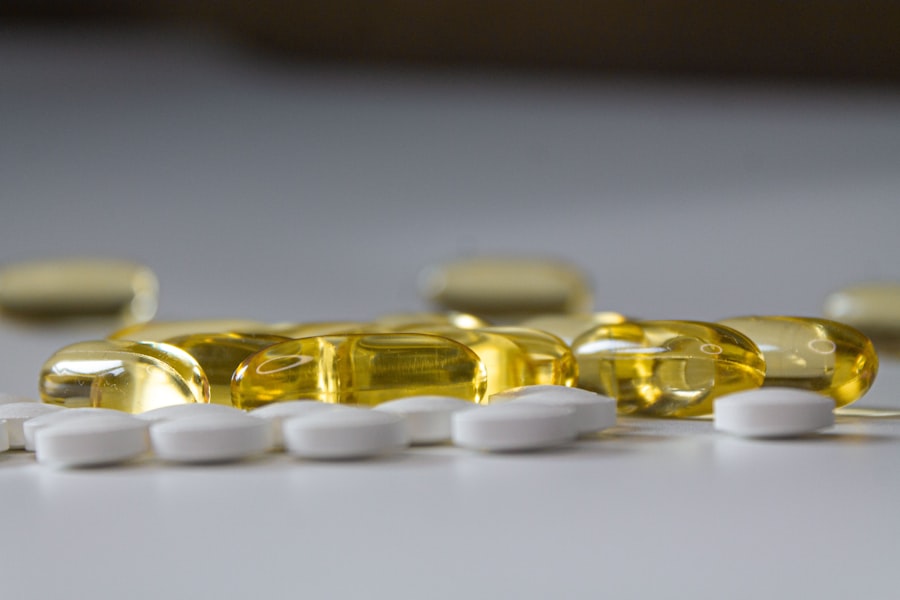
Choosing supplements requires care. Do not rush your decisions. Informed choices protect you. Prioritize your well-being.
Researching Manufacturers and Products
Before buying, research the brand. Look for companies with good reputations. Check product reviews from reputable sources. Transparency is a good sign.
Some manufacturers get third-party verification. This means an independent lab checked the product. It can offer more assurance.
Consulting Healthcare Professionals
Always talk to your doctor first. This is crucial before starting new supplements. They know your health history. They can advise you safely.
Supplements can interact with medications. They might worsen existing conditions. Your doctor can help prevent problems.
FDA Oversight and Enforcement
| Supplement | Safety Rating | Side Effects |
|---|---|---|
| Vitamin C | Generally Safe | May cause diarrhea in high doses |
| Omega-3 fatty acids | Generally Safe | May cause fishy aftertaste |
| Probiotics | Generally Safe | May cause mild digestive discomfort |
The FDA plays a role in supplement safety. They implement important regulations. They also take enforcement action. This protects consumers.
Post-Market Surveillance
The FDA monitors supplements after sale. This is called post-market surveillance. Manufacturers must report adverse events. This helps identify issues.
The FDA issues warning letters. They initiate product recalls. These actions address unsafe products.
Addressing New Ingredients
The FDA is discussing new ingredients. These include peptides and probiotics. Industry hopes for broader access. Advocates want safety prioritized.
Expanding ingredients needs careful thought. The FDA must balance innovation with safety. They are holding public meetings about this.
Practical Tips for Supplement Safety
Safe supplement use is possible. Follow these simple guidelines. They empower you to make good choices. Your health is in your hands.
Prioritizing Transparency
Choose brands that are transparent. They should list all ingredients clearly. They should provide dosage information. Look for contact details.
A transparent company offers information readily. They do not hide anything. This builds trust.
Avoiding “Miracle Cure” Claims
Be skeptical of exaggerated claims. No supplement cures all ailments. “Miracle cures” are often scams. Exercise caution.
If it sounds too good to be true, it probably is. Stick to realistic benefits. Focus on evidence.
Storing Supplements Properly
Store supplements as directed. Keep them in a cool, dry place. Follow label instructions. Proper storage maintains potency.
Improper storage can degrade ingredients. This might reduce effectiveness. It could even make them harmful.
Disposing of Expired Supplements
Do not use expired supplements. Their potency might decrease. They might even become dangerous. Dispose of them safely.
Check expiration dates regularly. Discard old products. This keeps your supplement regimen safe.
The supplement landscape is complex. Your informed choices protect your health. Always prioritize safety. Talk to your doctor.