
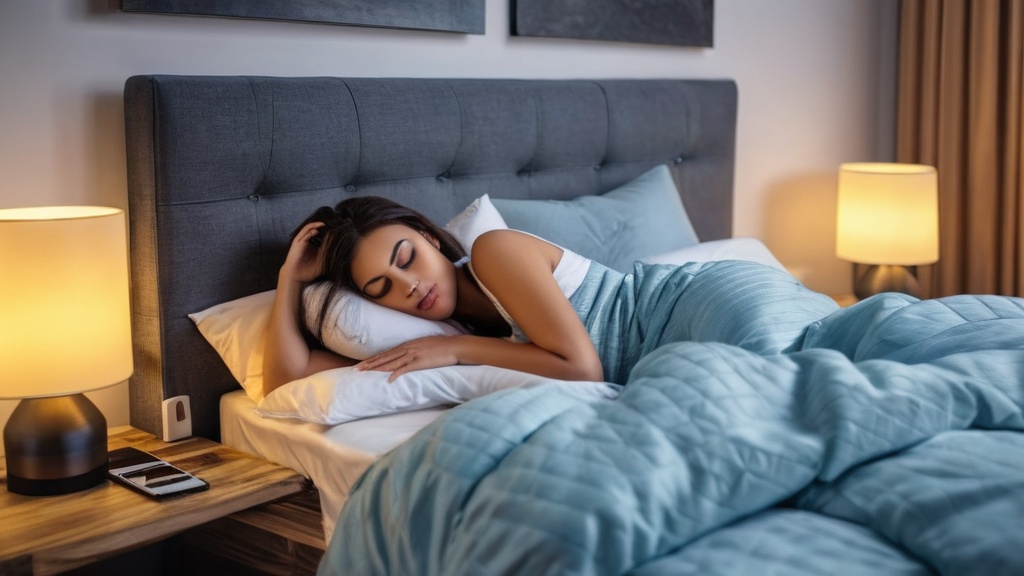

Tired of tossing and turning? Imagine waking up refreshed, ready to conquer your day. Good sleep is more than just closing your eyes; it is crucial for your health and happiness. Let’s unlock the secrets to better sleep, starting tonight.
Sleep is a complex biological process. It involves distinct stages, each vital for bodily functions. These stages cycle throughout the night. Your brain actively works during sleep.
The Stages of Sleep
There are two main types of sleep: REM and non-REM. Non-REM sleep has three stages. Stage 1 is light sleep. Stage 2 is deeper sleep. Stage 3 is the deepest sleep.
REM sleep is when most dreams occur. Your eyes move rapidly during this stage. Each stage plays a critical role. They help your body and mind recover. (National Institute of Neurological Disorders and Stroke, 2019)
The Role of Circadian Rhythms
Your body has an internal clock. This is your circadian rhythm. It regulates your sleep-wake cycle. Light exposure heavily influences it. Melatonin is a key hormone.
Melatonin signals when it is time to sleep. Disrupting this rhythm impacts sleep quality. Jet lag is a good example. Night shift work also affects it. (National Sleep Foundation, n.d.) Consistent routines support a healthy rhythm.
Creating a Sleep-Friendly Environment
Your surroundings greatly impact your sleep. Small changes can make a big difference. Think of your bedroom as a sleep sanctuary. It should be comfortable and inviting.
Optimize Your Bedroom Darkness
Light hinders melatonin production. Block out all light in your bedroom. Use blackout curtains or blinds. Even small lights can disrupt sleep. Cover glowing electronics.
Control Bedroom Temperature
A cool room promotes sleep. The ideal temperature is around 65°F (18.3°C). A warm room makes falling asleep harder. Experiment to find your comfort zone. Avoid extreme temperatures. (American Academy of Sleep Medicine, 2022)
Reduce Noise Disturbances
Noise can wake you or prevent sleep. Use earplugs if needed. White noise machines can mask sounds. Create a peaceful environment. Limit outdoor noise as much as possible.
Choose Comfortable Bedding
Your mattress and pillow matter. They provide support for your body. Invest in good quality bedding. Replace old mattresses regularly. Find what feels best for you.
Establishing a Consistent Sleep Schedule

Routine is vital for good sleep. Your body thrives on predictability. Going to bed and waking up at the same time helps. This includes weekends too.
Go to Bed and Wake Up at the Same Time
This reinforces your circadian rhythm. It trains your body. You will likely fall asleep easier. You will also wake up more refreshed. Even a slight shift can disrupt it.
Avoid Oversleeping on Weekends
This can cause “social jet lag.” It confuses your internal clock. Limit weekend sleep-ins. Try to stick to your weekday schedule. Consistency is key here. (Centers for Disease Control and Prevention, 2020)
Navigate Naps Wisely
Naps can be beneficial. Keep them short, typically 20-30 minutes. Avoid napping too late in the day. Late naps can interfere with nighttime sleep. Use naps to boost alertness.
Developing Relaxing Pre-Sleep Rituals
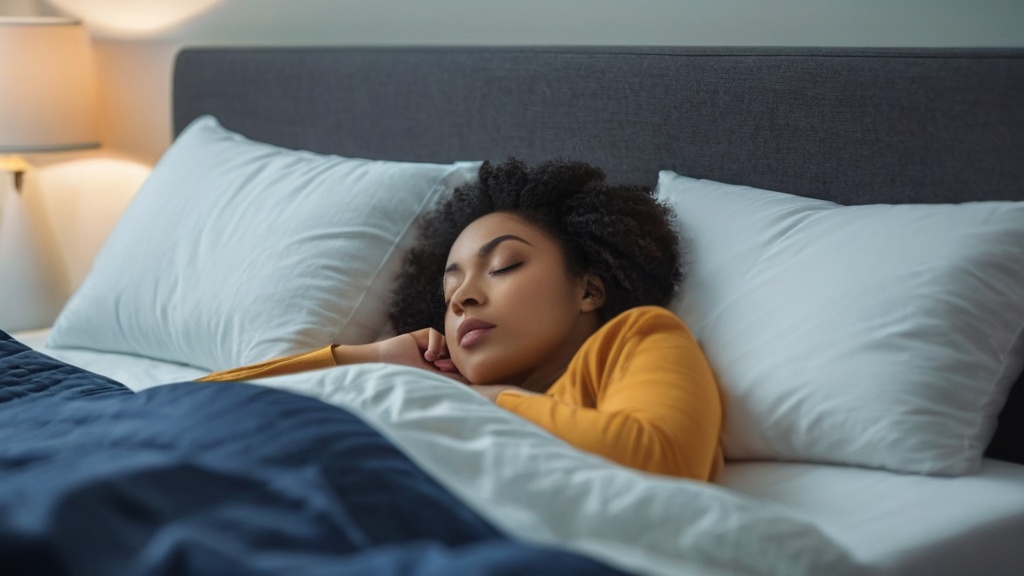
Winding down before bed is crucial. It signals to your body it’s time to rest. A calming routine helps transition from busy to sleep-ready. Find what works for you.
Take a Warm Bath or Shower
A warm bath relaxes muscles. It also lowers your body temperature slightly afterwards. This cooling effect promotes sleep. Take it about 90 minutes before bed. Add essential oils like lavender.
Read a Physical Book
Reading can be very calming. Choose a relaxing, non-stimulating book. Avoid exciting or stressful topics. Do not read on electronic devices. They emit blue light.
Practice Mindfulness or Meditation
These techniques calm your mind. Focus on your breath. Let go of daily worries. Apps like Calm or Headspace can guide you. Even five minutes helps. (Sleep Foundation, 2023)
Journaling for Stress Release
Write down your thoughts and concerns. This can clear your mind. It prevents racing thoughts at bedtime. Focus on gratitude too. End on a positive note.
Optimizing Your Diet and Exercise for Sleep
“`html
| Date | Hours of Sleep | Quality (1-10) |
|---|---|---|
| 2022-01-01 | 7 | 8 |
| 2022-01-02 | 6.5 | 7 |
| 2022-01-03 | 8 | 9 |
“`
What you consume and how you move impact sleep. Pay attention to your food and drink choices. Regular activity also plays a big role.
Be Mindful of Caffeine Intake
Caffeine is a stimulant. It stays in your system for hours. Avoid caffeine late in the day. This includes coffee, tea, and soda. Even chocolate has some caffeine.
Limit Alcohol Consumption Before Bed
Alcohol may make you feel drowsy. However, it disrupts sleep stages. It typically leads to fragmented sleep. You might wake up frequently. Avoid alcohol close to bedtime. (National Institute on Alcohol Abuse and Alcoholism, 2020)
Avoid Heavy Meals Before Sleep
Digestion can interfere with sleep. Eat your last large meal a few hours before bed. If you need a snack, choose something light. A banana or a few almonds are good choices.
Incorporate Regular Physical Activity
Daily exercise improves sleep quality. Aim for at least 30 minutes. Mid-morning or afternoon is best. Avoid intense workouts close to bedtime. This can be too stimulating. (Journal of Clinical Sleep Medicine, 2013)
Consider Light Evening Stretches
Gentle stretches can relax your body. They relieve muscle tension. Avoid rigorous stretching. Focus on slow, deliberate movements. This can be part of your wind-down routine.
Limiting Screen Time and Blue Light Exposure
Electronic devices emit blue light. This light suppresses melatonin. It confuses your body’s sleep signals. Reducing screen time is essential.
Power Down Electronic Devices
Turn off phones, tablets, and computers. Do this at least an hour before bed. Create a screen-free zone in your bedroom. This promotes a calmer mind.
Use Blue Light Filters
If you must use screens, use filters. Many devices have “night mode.” These settings reduce blue light. Blue-light-blocking glasses are also an option. However, avoid screens altogether if possible.
Avoid Watching TV in Bed
Your bed should be for sleep. Watching TV in bed links it to wakefulness. This makes it harder to associate your bed with rest. Keep media out of the bedroom.
When to Seek Professional Help
Sometimes, lifestyle changes are not enough. Persistent sleep problems can indicate an underlying issue. Do not hesitate to consult a doctor.
Recognize Persistent Sleep Issues
Are you constantly tired? Do you struggle to fall or stay asleep? Does poor sleep affect your daily life and mood? These are signs to seek help. Chronic insomnia needs attention.
Common Sleep Disorders
Sleep apnea causes breathing pauses. Restless legs syndrome creates urges to move your legs. Narcolepsy involves excessive daytime sleepiness. These conditions require diagnosis and treatment.
Consulting Your Doctor
Discuss your sleep concerns openly. Your doctor can assess your symptoms. They might recommend a sleep study. They can offer solutions or refer you to a specialist. Early intervention is key. (American Academy of Sleep Medicine, 2022)
Improving your sleep quality is a journey. It requires consistent effort. Start with small, manageable changes. Listen to your body’s signals. Prioritize your sleep for a healthier, happier life. A restful night is within your reach.
References:
American Academy of Sleep Medicine. (2022). Sleep Education. Retrieved from https://sleepeducation.org/
Centers for Disease Control and Prevention. (2020). Sleep and Sleep Disorders. Retrieved from https://www.cdc.gov/sleep/index.html
Journal of Clinical Sleep Medicine. (2013). The effects of exercise on sleep quality: A systematic review.
National Institute of Neurological Disorders and Stroke. (2019). Brain Basics: Understanding Sleep. Retrieved from https://www.ninds.nih.gov/health-information/public-education/brain-basics/brain-basics-understanding-sleep
National Institute on Alcohol Abuse and Alcoholism. (2020). Alcohol and Sleep. Retrieved from https://www.niaaa.nih.gov/publications/brochures-and-fact-sheets/alcohol-facts-and-statistics
National Sleep Foundation. (n.d.). Sleep Cycle. Retrieved from https://www.sleepfoundation.org/
Sleep Foundation. (2023). Meditation for Sleep. Retrieved from https://www.sleepfoundation.org/insomnia/meditation-for-sleep
FAQs
What is sleep quality?
Sleep quality refers to how well a person sleeps and the overall satisfaction with their sleep. It is determined by factors such as the duration of sleep, how long it takes to fall asleep, how often one wakes up during the night, and how rested one feels upon waking.
What are the factors that affect sleep quality?
Several factors can affect sleep quality, including stress, anxiety, depression, physical discomfort, environmental factors (such as noise and light), caffeine and alcohol consumption, and certain medications. Additionally, sleep disorders like insomnia, sleep apnea, and restless leg syndrome can also impact sleep quality.
How does sleep quality affect overall health?
Good sleep quality is essential for overall health and well-being. Poor sleep quality has been linked to an increased risk of developing chronic conditions such as obesity, diabetes, heart disease, and depression. It can also impair cognitive function, mood, and immune function.
What are some tips for improving sleep quality?
To improve sleep quality, it is important to establish a regular sleep schedule, create a comfortable sleep environment, limit caffeine and alcohol intake, manage stress, and engage in relaxation techniques before bedtime. Regular exercise and avoiding heavy meals close to bedtime can also contribute to better sleep quality.
When should someone seek professional help for sleep quality issues?
If someone consistently experiences poor sleep quality despite making lifestyle changes, it may be necessary to seek professional help. A healthcare provider can help diagnose and treat any underlying sleep disorders or other medical conditions that may be impacting sleep quality.