


Hydration is essential for maintaining optimal health and bodily function. Water comprises approximately 60% of the human body and is vital for the operation of every cell, tissue, and organ. Adequate hydration supports critical physiological processes, including digestion, nutrient absorption, temperature regulation, and waste elimination.
Despite its importance, many individuals fail to consume sufficient water daily. This oversight can have significant consequences for both physical and mental health. Dehydration impairs cognitive function, reduces physical performance, and can contribute to various health complications.
By recognizing the importance of proper hydration and establishing consistent water intake habits, individuals can make informed health decisions and enhance their overall quality of life.
Key Takeaways
- Proper hydration is essential for maintaining bodily functions, including digestion, temperature regulation, and cognitive clarity.
- Dehydration negatively affects energy levels, physical performance, and can impair mental function.
- Drinking enough water supports healthy skin, prevents premature aging, and aids in waste elimination through kidney function.
- Adequate hydration strengthens the immune system and helps prevent chronic diseases, promoting longevity.
- Practical hydration habits are crucial for overall health and preventing heat-related illnesses.
The impact of dehydration on the body’s functions and systems
Dehydration can severely impact the body’s functions and systems. Even mild dehydration can lead to fatigue, headaches, and decreased concentration. The body struggles to perform optimally without sufficient water intake.
Severe dehydration can cause more serious health issues. It can lead to kidney stones, urinary tract infections, and even organ failure. Recognizing the signs of dehydration is essential for maintaining good health.
The importance of water for proper digestion and nutrient absorption
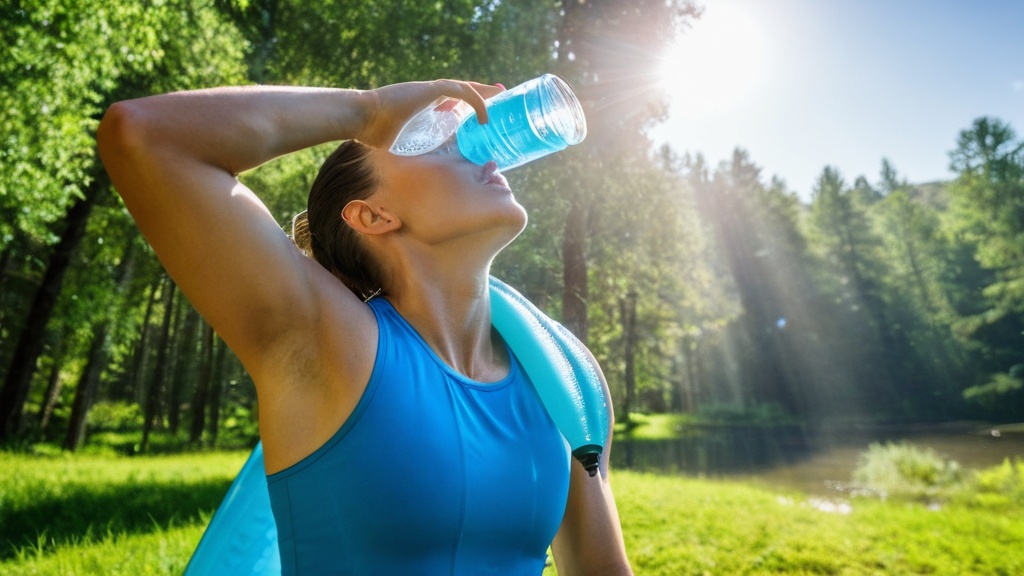
Water plays a vital role in digestion and nutrient absorption. It helps break down food, making nutrients accessible to the body. Without adequate water, the digestive system cannot function efficiently.
Additionally, water aids in transporting nutrients throughout the body. It ensures that essential vitamins and minerals reach their intended destinations. Proper hydration supports overall digestive health and nutrient utilization.
Hydration’s role in regulating body temperature and preventing heat-related illnesses
Hydration is crucial for regulating body temperature. When we sweat, our bodies lose water, which cools us down. Adequate hydration helps maintain this balance, preventing overheating.
Heat-related illnesses can occur when the body becomes dehydrated. Conditions like heat exhaustion and heat stroke can be life-threatening. Staying hydrated is essential, especially during hot weather or intense physical activity.
The connection between hydration and cognitive function and mental clarity
| Metric | Description | Recommended Value | Unit |
|---|---|---|---|
| Daily Water Intake | Amount of water consumed daily | 2.7 – 3.7 | Liters |
| Urine Color | Indicator of hydration status | Light Yellow | Color Scale |
| Body Water Percentage | Percentage of total body weight that is water | 45 – 60 | % |
| Electrolyte Balance | Concentration of key electrolytes (Na+, K+, Cl-) | Within normal range | mEq/L |
| Hydration Level (Bioelectrical Impedance) | Measurement of body fluid status | Normal | Unitless |
| Thirst Sensation | Subjective feeling of needing water | Low to None | Qualitative |
Hydration significantly impacts cognitive function and mental clarity. Studies show that even mild dehydration can impair attention and memory. Staying hydrated helps maintain focus and enhances overall brain performance.
Proper hydration also supports mood regulation. Dehydration can lead to irritability and increased stress levels. Drinking enough water can improve mental well-being and emotional stability.
The role of water in maintaining healthy skin and preventing premature aging
Water plays a key role in maintaining healthy skin. It helps keep skin hydrated, plump, and elastic. Adequate hydration can reduce the appearance of fine lines and wrinkles.
Moreover, water helps flush out toxins from the body. This detoxification process contributes to clearer skin. Staying hydrated is essential for a youthful appearance and overall skin health.
Hydration’s impact on energy levels and physical performance
Hydration directly affects energy levels and physical performance. Dehydration can lead to fatigue and decreased endurance during exercise. Athletes often notice a drop in performance when they do not drink enough water.
Proper hydration enhances stamina and recovery after physical activity. It helps muscles function optimally and reduces the risk of cramps. Staying hydrated is vital for anyone engaging in regular physical activity.
The link between adequate hydration and a healthy immune system
Adequate hydration supports a healthy immune system. Water helps produce lymph, which carries white blood cells throughout the body. These cells are essential for fighting infections and diseases.
Dehydration can weaken the immune response, making us more susceptible to illness. Drinking enough water helps maintain optimal immune function. This simple habit can significantly impact overall health.
The importance of hydration for proper kidney function and waste elimination
Hydration is crucial for proper kidney function. Kidneys filter waste from the blood, requiring sufficient water to do so effectively. Dehydration can lead to kidney stones and other complications.
Drinking enough water aids in waste elimination through urine. It helps flush out toxins and prevents urinary tract infections. Maintaining proper hydration supports kidney health and overall bodily functions.
The role of hydration in preventing chronic diseases and promoting longevity
Adequate hydration plays a role in preventing chronic diseases. Studies suggest that proper water intake may lower the risk of conditions like heart disease and diabetes. Staying hydrated supports overall health and longevity.
Moreover, drinking enough water can promote healthy aging. It helps maintain bodily functions as we age, reducing the risk of age-related diseases. Prioritizing hydration is essential for a long, healthy life.
Practical tips for staying adequately hydrated and maintaining overall health
Staying adequately hydrated is vital for overall health. To ensure proper hydration, aim to drink at least eight glasses of water daily. Adjust this amount based on activity level, climate, and individual needs.
Incorporating hydrating foods into your diet can also help. Fruits like watermelon and cucumbers have high water content. Additionally, setting reminders to drink water throughout the day can encourage better habits.
By prioritizing hydration, you can enhance your well-being significantly. Remember that every small step counts toward better health. Make hydration a part of your daily routine for lasting benefits.
FAQs
What is hydration?
Hydration is the process of providing adequate fluids to the body to maintain proper physiological functions. It involves consuming water and other fluids to replace the water lost through activities such as sweating, urination, and breathing.
Why is hydration important?
Hydration is essential for maintaining bodily functions such as temperature regulation, joint lubrication, nutrient transport, and waste elimination. Proper hydration supports overall health, cognitive function, and physical performance.
How much water should I drink daily?
The amount of water needed varies by individual, but a common recommendation is about 2.7 liters (91 ounces) per day for women and 3.7 liters (125 ounces) per day for men, including fluids from all beverages and foods.
What are signs of dehydration?
Common signs of dehydration include thirst, dry mouth, dark yellow urine, fatigue, dizziness, and headache. Severe dehydration can lead to more serious symptoms such as rapid heartbeat and confusion.
Can other beverages hydrate as well as water?
Yes, beverages like herbal teas, milk, and fruit juices can contribute to hydration. However, drinks with high caffeine or alcohol content may have a diuretic effect and should be consumed in moderation.
How does exercise affect hydration needs?
Exercise increases fluid loss through sweat, so it is important to drink additional fluids before, during, and after physical activity to maintain hydration and prevent dehydration.
Is it possible to drink too much water?
Yes, excessive water intake can lead to a condition called hyponatremia, where the sodium levels in the blood become dangerously low. It is important to balance water intake with the body’s needs.
What factors influence hydration requirements?
Hydration needs can be influenced by factors such as age, climate, physical activity level, health status, and diet. Hot or humid weather and intense exercise increase fluid requirements.
How can I monitor my hydration status?
Monitoring urine color is a simple way to assess hydration; pale yellow urine typically indicates adequate hydration, while dark yellow or amber urine suggests dehydration.
Are there special hydration considerations for certain populations?
Yes, infants, elderly individuals, and people with certain medical conditions may have different hydration needs and should follow specific guidelines provided by healthcare professionals.